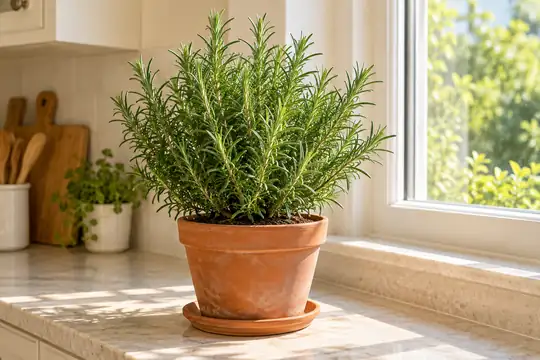
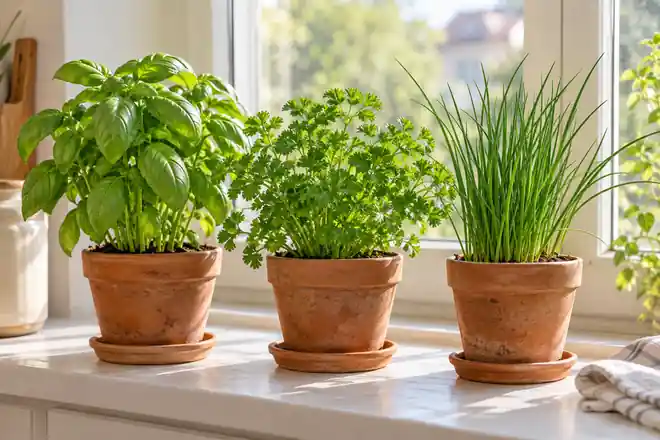
Windowsill Herb Garden: A Beginner’s Setup Guide
A windowsill herb garden starts with a suitable growing spot, not a collection of matching pots. Choose one or two culinary herbs you use regularly, check the light they need, and give each plant a container you can water and drain easily.
Research-based beginner guide. This is not a documented growing trial.
Check the window before choosing herbs
Observe direct sunlight across the day and note nearby buildings, trees and curtains. Indoor herbs need adequate light; a room that looks bright to you may still be unsuitable for vigorous growth. Supplemental lighting can be useful when the window does not meet a plant’s requirements.
A practical first step is to record the window’s conditions for several days, including sunny and cloudy periods. Keep your plant choice flexible until you understand the spot.
Choose a manageable starting point
Use this decision checklist before buying:
- Kitchen use: which herb would you actually harvest?
- Light: can your window or growing light meet that plant’s needs?
- Space: is there room for its mature growth and for watering?
- Care: can you check moisture regularly?
Basil, rosemary, parsley, thyme and cilantro—called coriander in the UK—are familiar culinary options, but they are not interchangeable. Read plant-specific advice before deciding. Buying several different herbs at once can make troubleshooting harder because their needs may differ.
Give each pot drainage and root space
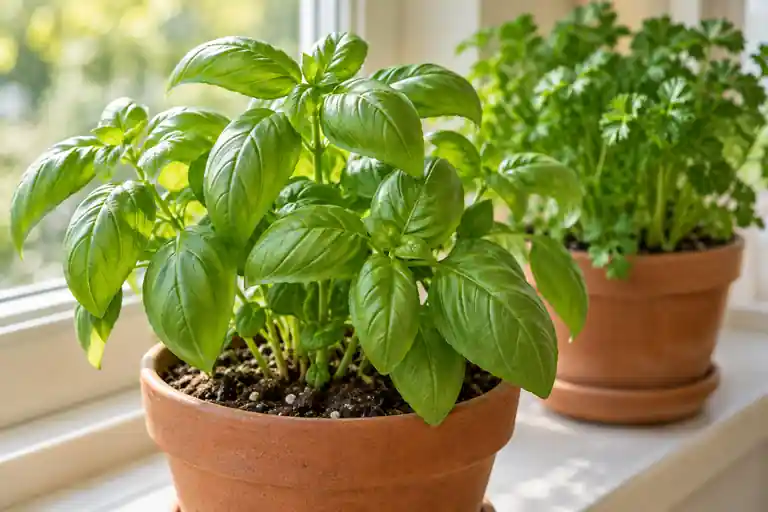
Use ordinary plant pots with drainage holes and a suitable container growing mix. If a decorative outer pot has no holes, keep the plant in a removable inner pot so excess water can drain away. Protect the windowsill without leaving the roots standing in unwanted drainage water.
Separate pots make it easier to adjust care for different herbs. Label each one with its name and planting date, then note the container size in your growing record.
Build a routine around observations
Check the growing mix and the plant before watering. Record what you notice rather than treating every herb to the same fixed schedule. Indoor conditions can change with the season, heating and the plant’s growth.
Inspect new plants regularly. If growth weakens, revisit the basic setup—light, drainage, root space and moisture—before adding more equipment or fertiliser. Follow the product and crop guidance when feeding.
What should you track?
A simple weekly note can include new growth, any leaf changes, moisture observations and harvests. Comparing these notes helps you ask a precise question: “What changed?” instead of changing several things at once.
Keep expectations realistic. The aim of a first windowsill garden is to learn a workable setup for your home; it is not a promise of a large year-round harvest.
Plan your next step
Choosing rosemary? Our guide to growing rosemary indoors covers its light, pot drainage and winter care needs.
For everyday care, use our potting mix moisture checks before watering. Explore the Indoor Herbs guides for more small-space growing topics.
Visit Start Here for the overall small-space garden checklist. Our Watering & Tools category covers the moisture-management side of growing. If you need help, send a question with your herb, region and window conditions.